Cat Translatio Tool For Mac
Which Office program are you using?
Word
You can use Reference Tools in Office for Mac to translate content into another language, or to look up a word in the bilingual dictionary.
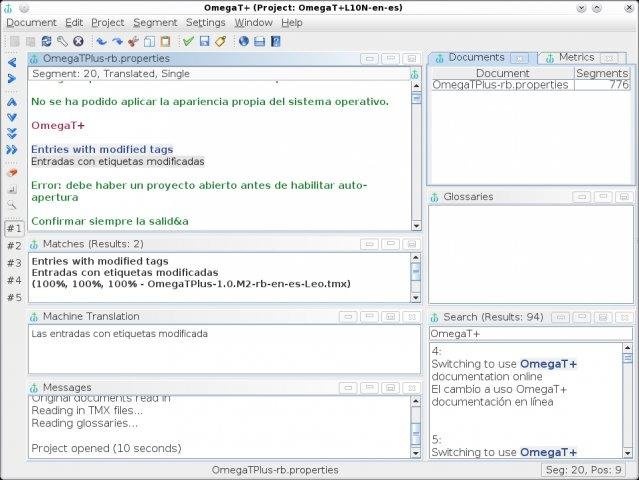
Fluency Now is a full-featured CAT tool suite that's affordable for freelancers and organizations alike. With low monthly pricing, freelancers avoid large upfront costs and long-term contracts, while organizations have the flexibility to add more users as needed. Translation memory software is the most well-known CAT tool. It divides the texts to be translated into units called “segments”. As the translator advances in the translation of the document, the software stores the text in a database of already translated segments.
Important: Office must be able to connect to the Internet to use Reference Tools. The first time you use Reference Tools you are asked to Click here to allow access to online Reference Tools.
On the Standard Toolbar, click Show or hide the Toolbox .
Click the Reference Tools tab.
Do one of the following:
To | Do this |
|---|---|
Look up the translation of a word in the Bilingual Dictionary | In the Bilingual Dictionary pane, on the From and To pop-up menus, select the languages that you want. Then, in the Word or Phrase box, enter the word that you would like to translate, and press RETURN. The dictionary translation will appear in the Bilingual Dictionary pane. |
Translate a selection of text | In the Translation pane, on the From and To pop-up menus, select the languages that you want. Then, in the Word or Phrase box, enter the text that you would like to translate, and press RETURN. The translation will appear in the Translation pane. |
Translate the entire document | In the Translation pane, on the From and To pop-up menus, select the languages that you want. Then click Translate this document, and in the message that appears, click Continue. The translation will open in a new browser window. |
See also
Excel
You can use Reference Tools in Office for Mac to translate content into another language, or to look up a word in the bilingual dictionary.
Important: Office must be able to connect to the Internet to use Reference Tools. The first time you use Reference Tools you are asked to Click here to allow access to online Reference Tools.
On the Standard Toolbar, click Show or hide the Toolbox .
Click the Reference Tools tab.
Do one of the following:
To | Do this |
|---|---|
Look up the translation of a word in the Bilingual Dictionary | In the Bilingual Dictionary pane, on the From and To pop-up menus, select the languages that you want. Then, in the Word or Phrase box, enter the word that you would like to translate, and press RETURN. The dictionary translation will appear in the Bilingual Dictionary pane. |
Translate a selection of text | In the Translation pane, on the From and To pop-up menus, select the languages that you want. Then, in the Word or Phrase box, enter the text that you would like to translate, and press RETURN. The translation will appear in the Translation pane. |
Translate the entire document | In the Translation pane, on the From and To pop-up menus, select the languages that you want. Then click Translate this document, and in the message that appears, click Continue. The translation will open in a new browser window. |
See also
PowerPoint
You can use Reference Tools in Office for Mac to translate content into another language, or to look up a word in the bilingual dictionary.
Important: Office must be able to connect to the Internet to use Reference Tools. The first time you use Reference Tools you are asked to Click here to allow access to online Reference Tools.
On the Standard Toolbar, click Show or hide the Toolbox .
Click the Reference Tools tab.
Do one of the following:
To | Do this |
|---|---|
Look up the translation of a word in the Bilingual Dictionary | In the Bilingual Dictionary pane, on the From and To pop-up menus, select the languages that you want. Then, in the Word or Phrase box, enter the word that you would like to translate, and press RETURN. The dictionary translation will appear in the Bilingual Dictionary pane. |
Translate a selection of text | In the Translation pane, on the From and To pop-up menus, select the languages that you want. Then, in the Word or Phrase box, enter the text that you would like to translate, and press RETURN. The translation will appear in the Translation pane. |
Translate the entire document | In the Translation pane, on the From and To pop-up menus, select the languages that you want. Then click Translate this document, and in the message that appears, click Continue. The translation will open in a new browser window. |
See also
Outlook
You can use Reference Tools in Office for Mac to translate content into another language, or to look up a word in the bilingual dictionary.
Important: Office must be able to connect to the Internet to use Reference Tools. The first time you use Reference Tools you are asked to Click here to allow access to online Reference Tools.
Cat Translate Tool For Mac
On the View menu, under Toolbox, click Reference Tools.
Do one of the following:
Cat Translation Tools For Mac
To | Do this |
|---|---|
Look up the translation of a word in the Bilingual Dictionary | In the Bilingual Dictionary pane, on the From and To pop-up menus, select the languages that you want. Then, in the Word or Phrase box, enter the word that you would like to translate, and press RETURN. The dictionary translation will appear in the Bilingual Dictionary pane. |
Translate a selection of text | In the Translation pane, on the From and To pop-up menus, select the languages that you want. Then, in the Word or Phrase box, enter the text that you would like to translate, and press RETURN. The translation will appear in the Translation pane. |
Translate the entire document | In the Translation pane, on the From and To pop-up menus, select the languages that you want. Then click Translate this document, and in the message that appears, click Continue. The translation will open in a new browser window. |